Dreaming of a few peaceful acres in Denton County to build a custom home, start a hobby farm, or hold for the future? Small-acreage land is a great move, but it plays by different rules than a typical subdivision lot. You face new questions about permits, utilities, access, and timelines that can make or break your plan.
This guide walks you through the Denton County basics so you can evaluate parcels with confidence. You will learn which permits apply, how to handle wells and septic, what to confirm about access, and a practical step-by-step due diligence plan. Let’s dive in.
What actually governs land use
If you are looking outside city limits, do not assume “no rules.” Denton County does not run a blanket zoning code for all unincorporated land, but it does enforce development permits, floodplain rules, septic approvals, and subdivision regulations. Inside a city or its ETJ, municipal zoning can apply. Start by contacting Denton County Development Services to confirm which rules apply to your specific parcel.
Here are the key touchpoints to verify before you close:
- Development Permit. Required for most man-made changes in the unincorporated area. Confirm process and fees with Development Services.
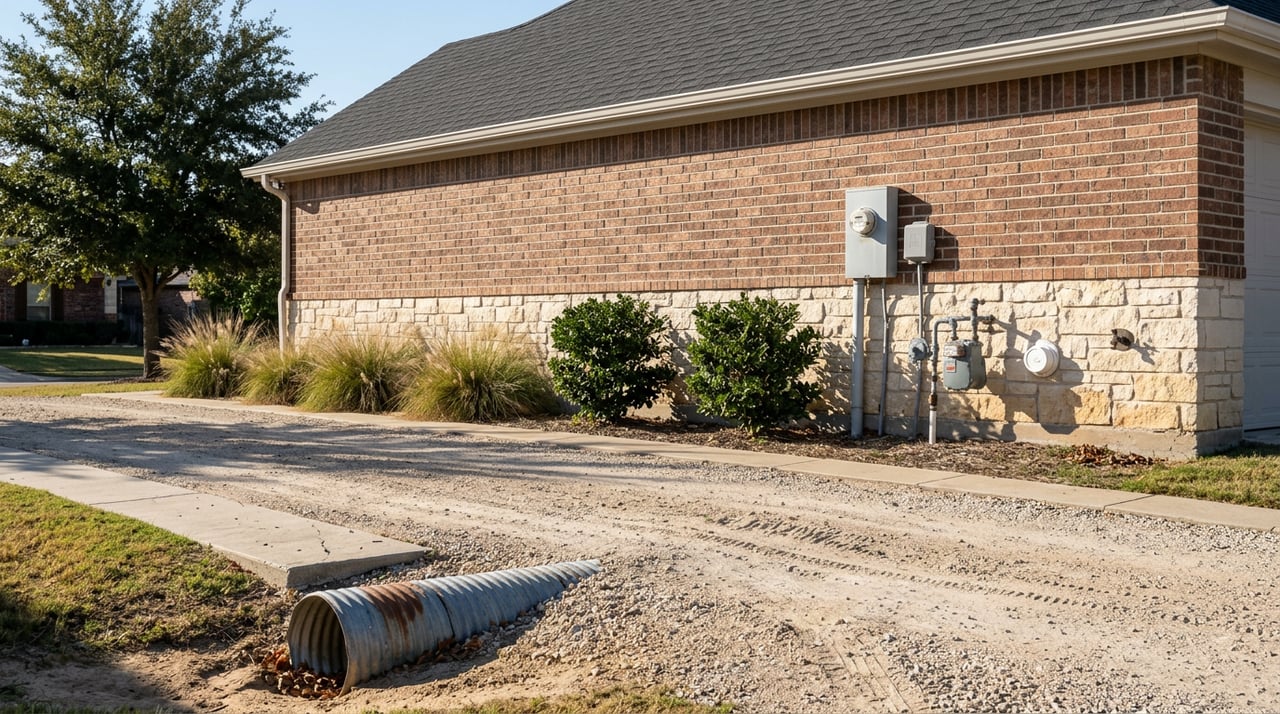
- Culvert/driveway permit. Any new driveway connection to a county-maintained road usually requires a right-of-way permit. Check standards and culvert sizing with Development Services.
- Septic (OSSF) permit. If you will not connect to municipal sewer, you will need an On-Site Sewage Facility permit from Denton County Environmental Health. The county’s guidance explains site evaluations, design, maintenance rules, fees, and inspections. A permit is required before installation. Review the county’s summary in What You Must Know.
- Floodplain development permit. If any part of your build area falls in a mapped floodplain, an additional permit and elevation or drainage measures may be required. Confirm with Development Services.
- Subdivision or replat review. If you plan to split acreage, create lots, or build roads, Denton County’s subdivision rules apply. Expect a multi-step platting process with meaningful timelines and costs. See the county’s Subdivision Rules & Regulations.
Also note the county’s residential construction baseline in unincorporated areas. Denton County applies an International Residential Code standard and requires specific inspections by licensed professionals, even outside city limits. Builders must file notice and provide inspection documentation. Get the details in the county’s Notice to Home Builders.
Finally, confirm if your parcel is inside a special district. Properties near Lake Ray Roberts may be subject to a dedicated land-use ordinance. Review Denton County’s Lake Ray Roberts Land Use Ordinance and validate boundaries with the county.
Utilities and on-site systems
Getting utilities to a rural homesite is doable, but it requires planning and often extra time and cost. Do not rely on assumptions or a neighbor’s setup. Get written confirmations from providers before you remove contingencies.
Electricity
Different areas of Denton County are served by different utilities. In many rural areas, CoServ Electric is the provider, while Oncor Electric Delivery covers large parts of North Texas. Ask which utility serves your specific parcel, then request a new-service or line-extension estimate. For Oncor territory, use the new construction request portal. Costs depend on distance to the nearest line, terrain, pole or transformer needs, and trenching.
Pro tip: Line extensions can add thousands of dollars and weeks to months to your timeline. Get it in writing before you finalize your purchase.
Water and wastewater
- Municipal service. If the parcel sits inside a city or a water district, you may be able to connect to city or district water and sewer. Confirm availability, costs, and tap or impact fees with the city or district.
- Private well and septic. If municipal service is not available, you will likely use a private well and an on-site sewage facility.
- Septic (OSSF). Denton County Environmental Health issues OSSF permits in unincorporated areas, and many systems require a site evaluation and professional design. A permit must be issued before installation. Some permits can be issued quickly once documentation is complete. Read the county’s step-by-step guidance in What You Must Know.
- Water wells. In Texas, wells must be drilled and pumps installed by licensed professionals. Verify credentials through the Texas Department of Licensing & Regulation. Denton County is covered by the North Texas Groundwater Conservation District, which sets local groundwater rules and guidance. Review the district’s management plan via the Texas Water Development Board’s archive: North Texas GCD Management Plan. For feasibility, review nearby well logs and talk to licensed drillers about typical depths, yields, and costs.
Gas and internet
If natural gas is not available, most rural properties use propane for heating and cooking. Internet options vary by location and can include fixed wireless, satellite, or fiber where available. Ask the seller for a utility history and run provider availability checks during your option period.
Access, roads, and site constraints
Legal access vs. physical access
Make sure the parcel has recorded legal access. This can be public road frontage, a recorded easement, or a formal private road agreement. If access relies on an unrecorded path, consult your title company or an attorney to resolve it before closing.
Driveways and county right-of-way
Any new driveway connection to a county-maintained road typically requires a county permit. Sizing and installation of a culvert can affect drainage and driveway cost. Confirm standards and permits with Denton County Development Services before you budget for site work.
Floodplain and other constraints
Check whether any part of your build site falls inside a Special Flood Hazard Area. Start with FEMA’s guidance and confirm local requirements with the county’s floodplain staff. For background, see FEMA’s published rule reference on map use and compliance in the Federal Register resource linked here: FEMA mapping and program reference. If you are in a mapped flood zone, expect elevation and drainage requirements, and lenders will likely require flood insurance.
Also evaluate topography, shallow rock, tree preservation rules, and any streams or ponds that could trigger environmental reviews. All of these can affect driveway placement, grading, foundation type, and cost.
A step-by-step due diligence plan
Use this sequence to keep your land purchase on track. Adjust the order based on property specifics and your contract timelines.
- Title and contract contingencies
- Open title and request a title commitment. Confirm easements, access, and mineral reservations. Keep survey, utilities, and inspections as explicit contingencies.
- Confirm jurisdiction and applicable rules
- Determine if the parcel is in city limits, an ETJ, or unincorporated Denton County. Contact Denton County Development Services and any relevant municipal planning office.
- Order a current survey
- An ALTA or boundary survey should show property lines, access, visible utilities, and floodplain limits. Lenders and title companies often require it.
- Septic feasibility and OSSF pre-check
- Hire a licensed site evaluator or civil engineer for a soil analysis and preliminary design path. Review permit steps and fees in the county’s OSSF guidance. Remember, permits must be obtained before installation.
- Well feasibility
- Review nearby well logs and interview licensed drillers about depth, yield, and cost expectations. Verify driller credentials via TDLR’s licensing program. Consider North Texas GCD guidance in the district management plan.
- Utility availability and cost estimates
- Request written line-extension or connection estimates. For Oncor territory, start with the new construction request process. Confirm trenching, meter locations, transformer or pole requirements, and any cost sharing.
- Geotechnical and soils check
- For custom builds, get soil borings for foundation design. Many North Texas sites have expansive clays that benefit from engineered foundations.
- Floodplain and environmental screen
- Validate your flood status and talk with county floodplain staff about any permit needs. If near streams or ponds, consider a wetland review before disturbing the site.
- Deed restrictions and minerals
- Ask the title company for any recorded deed restrictions or HOA rules. Review mineral reservations and discuss any concerns with a qualified professional.
- Builder selection and county construction requirements
- Choose a builder with rural lot experience. Confirm Denton County’s residential inspection documentation and builder notice requirements in the Notice to Home Builders. Align on budget, schedule, and inspection steps.
Timing tip: OSSF permits may be issued quickly after documentation is complete, but you still need time for site evaluation, design, and final inspections. Utility extensions can add weeks to months. If you plan to subdivide or replat, the county platting process is multi-step and often multi-month. Build that into your contract strategy.
Financing and timelines
Buying land often means a different lending path than purchasing an existing home. Vacant land loans usually require higher down payments and shorter terms. Many buyers purchase the lot first, then move into a construction-to-permanent loan once plans and permits are ready. Construction loans typically require an approved builder, plans, a budget, and evidence that your septic and water plan is feasible. Talk to lenders early so you know what documents they will need and when.
Typical timeline examples:
- Simple lot closing with no major utility work: similar to a standard residential closing timeline.
- Lot with septic and well: add several weeks to months for evaluations, design, permitting, installation, and final inspections per the county’s OSSF process.
- Lot with utility line extensions: add weeks to months based on provider engineering, materials, and construction windows. See Oncor’s new construction process for how to start.
- If subdivision or platting is required: plan for a multi-month process per Denton County’s Subdivision Rules & Regulations.
Who you need on your team
Surround yourself with professionals who understand rural parcels in Denton County:
- A rural-focused real estate agent who knows county processes and timelines.
- A title company and a real estate attorney to review easements, access, and minerals.
- A licensed surveyor for a current ALTA or boundary survey.
- A civil or site engineer for driveway layout, drainage, and septic-heavy sites.
- A licensed septic designer or site evaluator who understands county requirements. See Denton County’s OSSF guidance.
- A licensed water well driller and pump installer. Verify credentials through TDLR.
- A local builder familiar with rural foundations and Denton County inspection documentation. Review the Notice to Home Builders.
Quick pre-offer checklist
Use this as a fast filter before you write an offer:
- Confirm jurisdiction: city, ETJ, or unincorporated county. Start with Development Services.
- Verify legal access is recorded and buildable driveway access is feasible.
- Identify the electric provider and request a line-extension or service estimate in writing. Start with the Oncor new construction portal if in Oncor territory.
- If no municipal sewer, confirm OSSF feasibility and permit requirements. Review What You Must Know.
- If no municipal water, speak with licensed drillers and review North Texas GCD context in the district plan.
- Check for floodplain impacts and discuss with county floodplain staff.
- Ask the seller for any surveys, utility history, or prior permits.
Make your move with confidence
The right small-acreage tract in Denton County can be a fantastic long-term play. With a clear plan for permits, utilities, access, and financing, you can move from “what if” to “when we break ground” with fewer surprises and stronger negotiating power. If you want local guidance from a team that works rural and suburban North DFW every day, we are here to help you source, evaluate, and close with confidence. Connect with KW 1st Team to get started.
FAQs
What permits do I need to build on unincorporated Denton County land?
- Expect a development permit, septic (OSSF) permit if no sewer, a culvert/driveway permit for a new driveway on a county road, and a floodplain development permit if your build area is mapped in a flood zone. Start with Denton County Development Services.
How do I verify if a Denton County parcel is in a floodzone?
- Review FEMA mapping resources, then confirm with county floodplain staff for local requirements. For background on FEMA program rules, see this FEMA mapping and compliance reference.
Who provides electricity to rural parcels in Denton County?
- Many rural areas are served by CoServ Electric, while other areas are in Oncor territory. Identify your specific provider and request a written line-extension or new-service estimate. For Oncor territory, use the new construction portal.
Will I need a septic permit for a 2 to 10 acre homesite?
- If you are not connecting to municipal sewer, yes. Denton County Environmental Health issues OSSF permits and outlines site evaluations, designs, fees, and inspections in What You Must Know.
Who licenses water well drillers in Texas?
- The Texas Department of Licensing & Regulation licenses water well drillers and pump installers. Verify credentials through TDLR, and consider North Texas GCD guidance when planning your well.